1. Walk-around and plan
A technician looks over the vehicle and explains the plan, including what is likely to be removed.
Phoenix, NY · Oswego County
One call to (877) 812-4220 starts vehicle decontamination in Phoenix. The work includes protecting the cabin, removing contaminated materials, disinfecting surfaces and treating the air inside.
If anyone is in danger, call 911 first. For a suicide crisis, call or text 988.
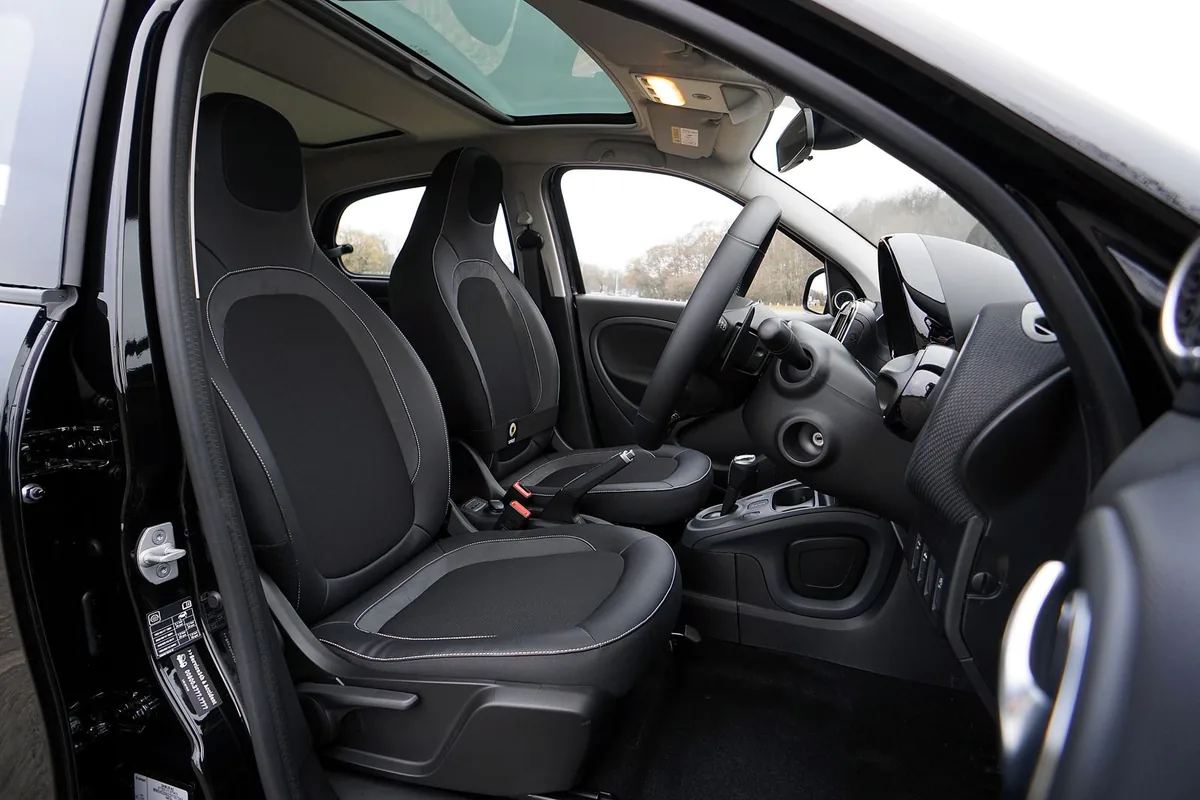
Vehicle biohazard remediation means returning a contaminated vehicle to a safe, usable condition. It includes containment, removal of soaked parts, disinfection, odor treatment and waste disposal.
When you need vehicle biohazard cleanup in Phoenix or across Oswego County, call Phoenix Biohazard Cleanup Help. Vehicle owners, rideshare drivers, rental companies, fleet managers and businesses can all get a cleanup team.
With about 48 inches of rain a year in Phoenix, damp air and leaks can feed mold in a contaminated vehicle that was left sitting. Anyone hurt in a vehicle incident should be seen at Oswego Hospital in Oswego or by a doctor before anyone thinks about the cabin.
What vehicle biohazard cleanup covers:
A technician looks over the vehicle and explains the plan, including what is likely to be removed.
Cleaners set up protection, seal off the working area and keep people away from the vehicle.
Contaminated parts that cannot be saved come out. Surfaces that stay are cleaned layer by layer.
Lingering smells are treated, the waste is hauled away, and a last inspection confirms the vehicle is ready.
Most vehicle biohazard cleanup jobs in Phoenix, NY cost between $500 and $5,000, based on published cost guides.
Vehicle type changes the price. A compact car, a full-size truck, a large van and a bus each have different amounts of interior to clean.
| Type of job | Typical range |
|---|---|
| Vehicle biohazard cleanup | $500 - $5,000 |
Published ranges only (BioCleaners Directory); every vehicle biohazard cleanup job in Phoenix is priced after an on-site look. Price drivers include type of interior materials, how serious the event was, time since the event, air system decontamination. Questions? Call (877) 812-4220.
People use both phrases. Most of the time they mean decontaminating a vehicle that holds blood or other body fluids. Chemical spills are a separate hazard, and a cleanup team can say whether it can handle a specific one.
Cleaners follow rules designed to protect workers and the public from bloodborne pathogens, including the OSHA Bloodborne Pathogens Standard, 29 CFR 1910.1030. They wear PPE and use EPA-registered disinfectants.
Cleaning a biohazard car starts with protection: gloves, eye protection and a mask. Contaminated upholstery and padding are removed, hard surfaces are cleaned, and an EPA-registered disinfectant is used by the label. Heavy contamination is best left to a vehicle biohazard cleanup team.
A small spill on a hard surface can be cleaned with gloves, eye protection and an EPA-registered disinfectant. Do not do it with an open cut, and do not use the car until fluids that soaked into fabric are removed. For larger spills, call a cleanup team.
It depends on the vehicle, the amount of contamination and how much has to be removed. A single stained seat is a shorter job than a cabin with fluids on many surfaces. Odor treatment can add time.
Yes. Blood can carry bloodborne pathogens such as hepatitis B and HIV. Dried blood can still be hazardous, and enclosed cabins hold odor. That is why the area is cleaned with protection and disinfected.
Call (877) 812-4220 and describe what is in the vehicle.
Call (877) 812-4220